Keeping Fans in the Game: How Online Competitions Are Rethinking the Way We Vote

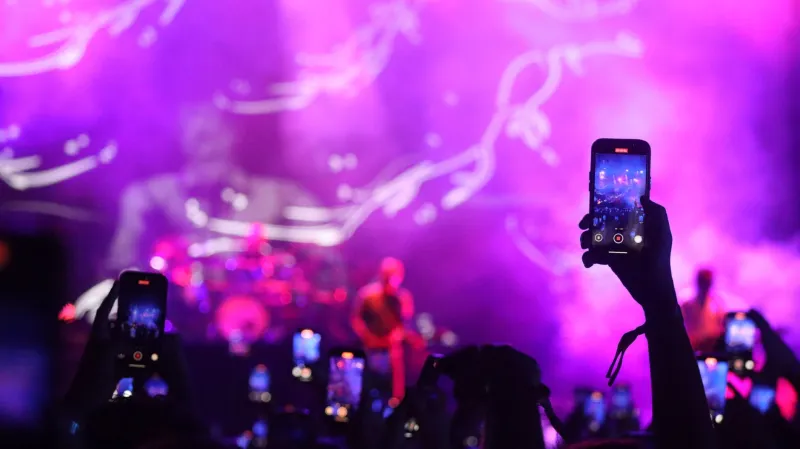
Photo by Photo by Les Taylor on Unsplash on Unsplash
Let's be honest about something most competition platforms don't love to admit: voting fatigue is real, it's common, and it can quietly hollow out even the most exciting competition season.
You've probably felt it yourself. You're locked in during week one — voting every day, sharing the link, texting your friends. By week five or six? You're still rooting for your favorite, but the ritual of actually casting a vote starts to feel like a chore. Life gets in the way. The novelty wears off. And before you know it, participation numbers are a fraction of what they were at launch.
For online talent and entertainment competitions, this isn't just a minor inconvenience — it's a structural threat to the whole model. And across the US, platform designers and contest producers are responding with some genuinely inventive solutions.
The Problem With the Traditional Format
Most online competitions were built around a pretty straightforward framework: contestants perform or submit, fans vote, somebody gets eliminated, repeat. It worked well enough when online voting was still a novelty. But audiences have become more sophisticated — and more distracted — since then.
The standard weekly voting cycle asks a lot of fans over an extended period without giving them much back beyond the outcome. There's no progression, no accumulating reward, no sense that their individual participation is building toward something meaningful. After a few rounds, casual supporters drift away, and even dedicated fans can start to feel like their energy isn't being matched by the experience.
Contest producers who've run multiple seasons will tell you the same thing: the drop-off between round one and the finale isn't just about interest in the contestants — it's about the voting experience itself failing to evolve alongside the competition.
Gamification: Making Every Vote Feel Like a Win
One of the most widely adopted strategies for combating voter fatigue is gamification — layering game-like mechanics on top of the voting process to give participants a sense of progress and reward beyond just the competition outcome.
This can look like a lot of different things in practice. Some platforms have introduced point systems where consistent voters earn badges, unlock exclusive content, or get entered into sweepstakes. Others have built leaderboards for the most active supporters, turning fan engagement itself into a competition within the competition.
The logic is straightforward: if voting feels like playing, people will keep doing it longer. And the data backs this up. Platforms that introduced even basic gamification elements — something as simple as a streak tracker showing how many consecutive rounds a voter has participated in — have reported measurable improvements in retention across multi-round competitions.
For music and talent competitions specifically, this approach has an added layer of appeal. Superfans already have a competitive relationship with other fan communities. Give them a visible way to prove their dedication, and they'll often push harder, not less.
Changing Up the Voting Mechanics
Beyond gamification, some of the more forward-thinking competition formats are experimenting with how voting itself works — not just how it's rewarded.
One increasingly popular approach is the tiered vote model, where fans can cast a standard free vote but also earn or purchase additional voting power through specific actions like sharing content, watching a performance replay, or completing a short survey. This keeps casual fans engaged at a low barrier while giving highly motivated supporters a meaningful way to amplify their impact.
Another format gaining traction is the "save" mechanic, where instead of voting for who advances, fans vote for who gets protected from elimination. Psychologically, this is a subtle but powerful shift — voting to save someone you love feels more urgent and emotionally charged than voting to reward someone who's already doing well.
Some platforms have also started breaking voting into shorter, more frequent micro-rounds rather than one big weekly window. Instead of a seven-day voting period, fans get a 24-hour window that opens and closes with more drama and urgency. Shorter windows tend to drive higher peak engagement even if total vote counts are similar, and they give the competition a more dynamic, event-like feel throughout the week.
The Role of Exclusive Content and Community
Another angle that's proving effective is tying voting participation to access — specifically, exclusive content that non-voters don't get to see.
Behind-the-scenes footage, early performance previews, direct Q&A sessions with contestants — these are the kinds of rewards that genuinely motivate music and talent fans who are already emotionally invested in specific artists or performers. When voting becomes the price of admission to a richer experience, it stops feeling like an obligation and starts feeling like a perk.
Community features are playing a bigger role too. Platforms that have built in comment sections, fan chat rooms, or dedicated spaces for supporters to organize and cheer together see meaningfully better retention than those that treat voting as a purely transactional, one-click experience. People stay where they feel like they belong, and belonging requires more than a vote button.
What Contest Producers Are Getting Right
Talking to people who run these competitions, a few consistent themes emerge about what actually works versus what sounds good in theory.
First, transparency matters enormously. When fans feel like their votes are genuinely counting and that the competition is being run fairly, their motivation to keep participating stays much higher. Any hint of opaque vote counting or unexplained results can torpedo engagement faster than almost anything else.
Second, the contestant themselves have to stay present and visible throughout the competition — not just during performance rounds. Fans who feel a personal connection to a contestant through ongoing social media interaction, story updates, and authentic behind-the-scenes moments are far more likely to keep showing up to vote week after week.
Third — and this one surprises some people — rest periods work. Competitions that build in a brief break between early rounds and later stages actually see engagement bounce back in the final stretch. Giving fans a moment to breathe before the high-stakes rounds keeps the energy from flattening out entirely.
Where This Is All Heading
The future of online competition voting looks a lot more dynamic and personalized than the traditional model. Platforms are experimenting with everything from social integration that lets fans vote directly through their preferred apps to AI-driven engagement nudges that remind specific voter segments when their participation is most needed.
What all of these innovations share is a recognition that voting, at its best, isn't just a mechanism — it's an experience. Fans who feel genuinely engaged, rewarded, and connected to the story of a competition don't need to be coaxed into participating. They show up because they want to be part of something.
Keeping that feeling alive across an entire competition season is the challenge every platform is working to solve. And based on what's happening right now across the US competition landscape, the solutions are getting a lot more interesting.