From the Comment Section to the Concert Stage: How Fan Votes Are Rewriting the Music Industry Playbook
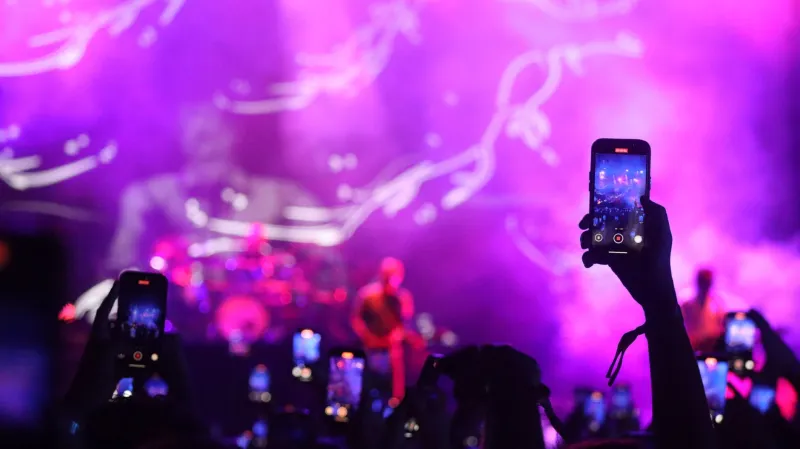
Not too long ago, breaking into the music industry meant impressing the right person in the right room. A producer, a label exec, maybe a radio programmer who happened to catch your set at a dive bar in Nashville or Brooklyn. That gatekeeping system worked — for some. But for the vast majority of talented artists who didn't have the connections, the budget, or the luck? The door stayed shut.
That's changing fast. And fan voting is a huge reason why.
The Old Guard vs. The New Wave
For decades, the traditional music industry ran on a pretty simple model: labels found talent, labels signed talent, labels decided who got heard. Radio stations played what labels pushed. Critics reviewed what labels promoted. The cycle was tight, and it was controlled.
Then the internet happened. Streaming cracked the model open. Social media blew the hinges off the door. And somewhere in the middle of all that chaos, online voting platforms emerged as a genuinely powerful force — one that lets fans do something they'd never really been able to do before: directly vote for who wins.
We're not just talking about American Idol-style phone-in votes (though that show absolutely deserves credit for proving the concept). We're talking about dedicated online competition platforms where a singer from rural Ohio or a rapper from East Atlanta can enter a talent contest, build a fanbase organically, rack up thousands of votes, and land on the radar of people who actually have the power to sign checks and book tours.
The Numbers Don't Lie
The scale of fan-driven voting campaigns has become genuinely staggering. Some of the most competitive online talent contests now generate millions of individual votes over the course of a competition cycle. Fans don't just vote once — they rally their communities, share links, organize voting parties, and treat the whole thing like a local sports team's playoff run.
Viral voting moments have a way of translating into real-world momentum. When an artist's name starts trending because their fanbase is going absolutely wild in an online competition, that visibility doesn't stay contained to the contest platform. It bleeds into TikTok, Instagram, YouTube. Journalists pick it up. Playlist curators take notice. And yes — label scouts absolutely pay attention.
Some industry insiders have started referring to high-performing online contest artists as "pre-validated" talent. The logic is straightforward: if someone has already demonstrated they can mobilize thousands of passionate supporters to vote repeatedly on their behalf, that's not just a fan following. That's a fanbase. And a fanbase is the single most valuable asset an artist can have.
Real Artists, Real Stories
The pattern keeps repeating itself. An artist enters an online competition with modest expectations. Their community shows up. The votes pile up. The momentum builds. And suddenly, what started as a local or regional fan effort becomes something that catches fire nationally.
Take the indie pop world, for example. Several artists who first gained significant public attention through fan-voted competitions have gone on to land sync deals, opening slots on national tours, and independent distribution deals that gave them real leverage. The competition didn't hand them a career — but it handed them a spotlight, and they ran with it.
The same dynamic plays out in country music, hip-hop, gospel, and Latin genres. Online voting competitions have become particularly powerful in niche genres that major labels have historically underserved. When a platform lets fans in those communities vote enthusiastically for artists who actually represent their taste and culture, the results can be explosive.
Why This Actually Challenges the Old Power Structure
Here's the thing that makes fan voting genuinely disruptive rather than just entertaining: it separates popularity from industry access.
In the old model, popularity was something labels manufactured. They picked an artist, invested in marketing, and created the perception of demand. Fan voting flips that. It surfaces organic demand first — real people choosing, in real time, who they want to hear more from — and forces the industry to respond to it rather than dictate it.
That's not a small shift. That's a fundamental change in who holds leverage in the artist-industry relationship. An artist who walks into a label meeting with documented evidence that 50,000 people voted for them in an online competition is having a very different conversation than an artist who walks in with just a demo and a dream.
Critics of the model will point out that voting can be gamed, that big followings don't always translate to record sales, and that fan enthusiasm in a contest doesn't guarantee longevity. Those are fair points. But the same critiques applied to every previous system the industry used to identify talent — and those systems had their own massive blind spots.
The Community Factor
One thing that often gets overlooked in conversations about fan voting is what it does for the fans themselves. Voting for an artist you believe in is genuinely exciting. It creates a sense of ownership and investment that passive listening simply doesn't. When your artist wins — or even just advances — because you and your people showed up and voted, that bond between fan and artist becomes something real.
Platforms like VoteStar Live are built around exactly this dynamic. The idea isn't just to run a competition — it's to create a community moment, a shared experience where fans feel like active participants in something bigger than themselves. That engagement is what separates a forgettable contest from a viral cultural event.
What's Next
The trajectory here is pretty clear. As online voting tools become more sophisticated, as social media integration deepens, and as younger generations of music fans become increasingly accustomed to having a direct say in who rises and who doesn't, the fan vote is only going to carry more weight.
For artists, the message is simple: your fans are your campaign team. Build the community, give people a reason to show up, and don't underestimate what a well-organized voting push can do for your career.
For the industry, the message is equally clear: the fans figured out what they want before you did. It might be time to start listening more carefully to the vote count.
And for the fans? Keep voting. Because it turns out, you've had more power than anyone let on.